
Structured Sourcing of Petroleum-Derived Materials for Industrial Use
Understanding Structured Sourcing in the Petroleum Value Chain
Structured sourcing refers to a systematic, quality-driven approach to procuring petroleum-derived materials for industrial applications. Unlike spot purchasing or fragmented supply models, structured sourcing focuses on consistency, traceability, technical compliance, and long-term reliability. In industries where petroleum-based materials are critical inputs—such as manufacturing, packaging, pharmaceuticals, cosmetics, plastics, and construction—this approach plays a central role in operational stability and product quality.
As global markets become more regulated and interconnected, industrial buyers increasingly prioritize suppliers that can deliver not only materials, but also process transparency, specification control, and dependable logistics.
Key Features of Petroleum-Derived Industrial Materials
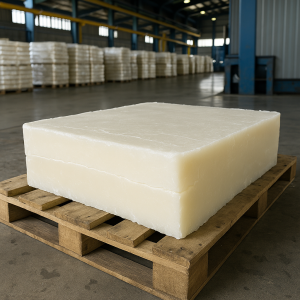
Petroleum-derived materials encompass a wide range of refined and semi-refined products, including mineral oils, waxes, jelly compounds, and specialty derivatives. Regardless of the specific product category, structured sourcing emphasizes several core features:
-
Consistent chemical composition to meet technical and regulatory standards
-
Controlled refining and processing to ensure purity and performance
-
Documented specifications such as viscosity, oil content, melting point, or stability
-
Batch traceability for quality assurance and compliance
-
Scalable supply capacity suitable for industrial volumes
Manufacturers like Faragam Paraffin integrate these features into their sourcing and production strategies to support industrial clients that require predictable inputs for continuous operations.
Industrial Applications Across Multiple Sectors
Petroleum-derived materials sourced through structured systems are used across a wide spectrum of industries. Their versatility is one of their strongest advantages.
In manufacturing and processing, mineral oils and waxes are used as lubricants, release agents, processing aids, and protective coatings. In packaging and paper industries, wax-based materials improve moisture resistance, surface finish, and durability.
The pharmaceutical and personal care sectors rely on highly refined petroleum derivatives for formulations that require chemical stability, safety, and neutrality. Meanwhile, plastics and polymer industries use these materials as additives, modifiers, and functional components in compounding processes.
Structured sourcing ensures that each application receives materials that are not only fit for purpose but also consistent across production cycles, reducing waste and operational risk.
The Role of Manufacturers in Structured Supply Models
Manufacturers play a critical role in maintaining structured sourcing frameworks. This goes beyond production capacity and extends into quality management, technical expertise, and export readiness.
A manufacturer such as Faragam Paraffin operates within a controlled production environment, aligning raw material selection, refining processes, and final product testing with international market requirements. This allows industrial buyers to rely on a single sourcing partner for long-term supply rather than navigating multiple intermediaries.
By offering standardized grades, customized specifications, and stable logistics planning, manufacturers contribute directly to supply chain efficiency and cost optimization for industrial clients.
Global Market Dynamics and Trade Considerations
The global market for petroleum-derived industrial materials is shaped by energy trends, regulatory frameworks, and regional demand patterns. Emerging markets continue to expand industrial consumption, while mature markets focus increasingly on quality, compliance, and supply reliability.
Structured sourcing is particularly valuable in international trade, where buyers must manage cross-border regulations, customs documentation, and transport conditions. Export-oriented suppliers with established sourcing systems can adapt more effectively to these complexities.
In this context, manufacturers with experience in global distribution—such as Faragam Paraffin—are positioned to support clients across Asia, Europe, Africa, and other industrial regions with consistent materials and dependable delivery schedules.
Strategic Advantages of Structured Sourcing
Adopting a structured sourcing model offers clear advantages for industrial buyers:
-
Reduced supply disruptions
-
Improved product consistency
-
Better cost forecasting and contract stability
-
Stronger compliance with international standards
-
Long-term supplier partnerships
These benefits translate directly into improved operational efficiency and competitive positioning in global markets.
Conclusion
Structured sourcing of petroleum-derived materials is no longer optional for industries that depend on quality, consistency, and scalability. As global supply chains grow more complex, the value of reliable manufacturers and well-defined sourcing systems continues to rise.
By working with experienced producers like Faragam Paraffin, industrial buyers gain access to petroleum-based materials that meet technical demands, support diverse applications, and align with the evolving expectations of the global market.
contents on this page