Petroleum Jelly
Petroleum Jelly Description
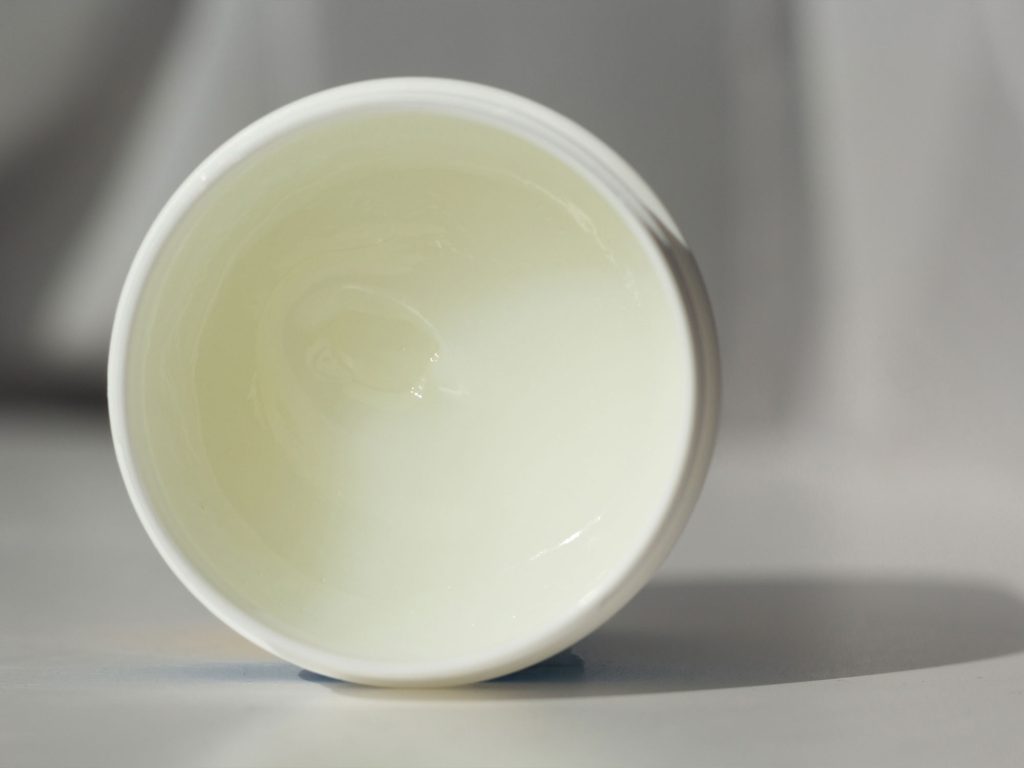
Petroleum jelly is a semi-solid blend of highly refined saturated hydrocarbons obtained through advanced purification processes. Faragam Co. produces premium-grade petroleum jelly with a homogeneous, translucent texture, odorless nature, and excellent stability. Due to its superior emollient, moisturizing, and lubricating properties, petroleum jelly acts as an effective skin protectant and carrier base for active ingredients in pharmaceutical and cosmetic formulations.
Faragam petroleum jelly is manufactured according to BP and USP standards using ultra-pure raw materials (up to 99.9% purity) and modern production technology. This ensures consistent quality suitable for various applications such as creams, moisturizing ointments, lotions, pharmaceutical bases, and personal care products. The company is capable of customizing specifications to meet strict industrial and customer requirements, making its petroleum jelly ideal for both cosmetic and medical formulations.
METHOD | VALUE/RESULTS | PROPERTIES |
Kinematic Viscosity @ 100°C | 6 cst | ASTM D445 |
Congealing Point | 55.2°C | ASTM D938 |
Penetration | More than 130 (0.1 mm) | ASTM D1321 |
Color (Lovibond) | 1.0 y | IP-17 METHOD A 2″ CELL |
Acidity or Alkalinity | According to the test method | B.P 2007 |
Drop Melting Point | 58°C | ASTM D127 |
Sulphated Ash | Less than 0.05% | B.P 2010 |
Flash Point | 214°C Min. | ASTM D92 |
Specific Gravity @ 60°C | 0.822 | USP |
Odor | Less when rubbing on skin | —– |
Petroleum Jelly Uses and Skin Benefits
Deep Moisturizing and Dry Skin Protection
Petroleum jelly is widely recognized as an effective occlusive moisturizer that helps lock moisture into the skin. It is particularly beneficial for treating dry, cracked, or flaky skin on sensitive areas such as lips, hands, elbows, and even eyelids. Because the eyelid skin is extremely thin and prone to irritation, applying a small amount of petroleum jelly can help protect the skin barrier and reduce dryness.
For best results, petroleum jelly should be applied on slightly damp skin after washing. This technique traps existing moisture and enhances hydration, improving skin softness and elasticity while reducing irritation.
Supporting Minor Wound Healing
Petroleum jelly can assist in the healing process of minor skin injuries such as small cuts, scratches, or abrasions. By creating a protective moisture barrier, it prevents the wound from drying out and forming thick scabs, which may delay healing. Maintaining a moist environment encourages faster skin recovery and may reduce the risk of noticeable scarring or itching.
When used on clean wounds, petroleum jelly alone is often sufficient to protect the skin surface without the need for additional antibacterial ointments in many minor cases.
Preventing Skin Chafing and Friction Damage
Chafing occurs when skin rubs against skin or clothing, causing irritation, redness, or blisters. Petroleum jelly works as a protective lubricant that reduces friction and shields vulnerable areas such as thighs, feet, underarms, or heels. Athletes and individuals exposed to long walking or tight clothing can benefit from applying petroleum jelly before activity to prevent discomfort and skin damage.
Nail and Cuticle Conditioning
Regular exposure to water, nail polish, or cosmetic treatments can weaken nails and dry cuticles. Applying petroleum jelly to nails and surrounding skin helps maintain hydration, reduce brittleness, and prevent cracking or peeling. This simple routine supports healthier nail growth and improves overall nail appearance. For optimal absorption, application on slightly damp nails is recommended.
Additional Cosmetic Applications
Beyond skincare protection, petroleum jelly is commonly used in cosmetics as a base ingredient in lip balms, creams, ointments, and lotions. Its chemical stability and compatibility with active ingredients make it an excellent carrier substance in dermatological and beauty formulations.
Petroleum Jelly Production and Purification Process
Petroleum jelly originates from petroleum refining by-products and undergoes extensive purification to ensure safety and usability in cosmetic and pharmaceutical products. The refining process includes several scientific steps designed to remove impurities and enhance stability:
Sulfuric acid treatment followed by neutralization with sodium hydroxide to eliminate unwanted compounds
Advanced filtration using materials such as white earth, activated charcoal, silica gel, or aluminum silicate to purify the product
Selective solvent extraction to separate undesirable hydrocarbon fractions
Catalytic hydrogenation to improve color, purity, oxidation resistance, and long-term stability
These procedures ensure the final petroleum jelly meets strict international pharmaceutical and cosmetic quality standards.
Environmental and Safety Considerations
Modern petroleum jelly manufacturing focuses on high-efficiency purification and quality control to minimize contaminants and ensure product safety. Pharmaceutical-grade petroleum jelly is highly refined to remove potentially harmful aromatic compounds, making it safe for topical cosmetic and medical use when produced according to recognized pharmacopeia standards.
Proper storage conditions—cool temperature, sealed containers, and protection from contamination—help maintain product stability and extend shelf life.
Petroleum Jelly Packaging Options
Faragam petroleum jelly is typically supplied in industrial packaging designed to preserve purity and facilitate transport. Standard packaging options include:
Plastic Drums
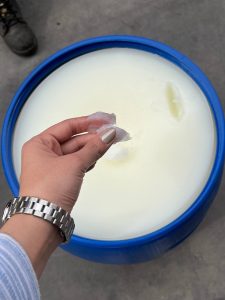
Plastic drums are cylindrical containers made from high-density polyethylene (HDPE), known for their strength, chemical resistance, and durability. Open-head plastic drums are especially suitable for petroleum jelly because they allow easy product extraction while maintaining hygiene and storage safety.
Steel Drums
Steel drums, manufactured from carbon steel or stainless steel, offer enhanced protection for sensitive petroleum jelly grades, particularly pharmaceutical types. These drums are often internally coated with epoxy polymers to prevent reactions between oily substances and the metal surface, ensuring long-term storage stability and preventing contamination.
Flexible and Custom Packaging
In addition to 175 kg or 50 kg standard drums and flexi containers, Faragam can supply petroleum jelly in customized packaging based on customer specifications, transportation needs, or industrial application requirements.
Conclusion
Petroleum jelly remains one of the most versatile and reliable ingredients in skincare, pharmaceuticals, and cosmetic manufacturing. With strong moisture-locking ability, protective skin benefits, compatibility with active ingredients, and stable chemical composition, it serves as both a therapeutic skin protectant and a functional formulation base.
Faragam Co. combines pharmaceutical-grade purification, strict BP and USP compliance, and flexible packaging solutions to deliver high-quality petroleum jelly suitable for global cosmetic and medical industries.
contents on this page