
10-20% Slack Wax
Slack Wax Light 10–20% Description
Slack Wax Light 10–20% (also known as light slack wax, petroleum slack wax, semi-refined paraffin feedstock, or oil-content slack wax) is a petroleum-derived wax obtained as a by-product during the solvent dewaxing of lubricating oil base stocks in oil refineries.
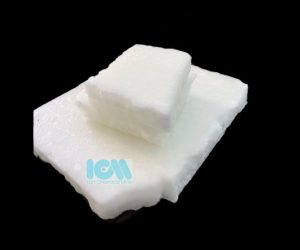
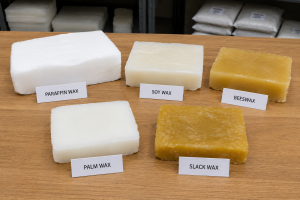
It consists primarily of paraffinic hydrocarbons (long-chain saturated alkanes) mixed with a controlled percentage of entrained mineral oil (typically 10–20%), which gives it a softer structure compared to fully refined paraffin wax. The product is typically light yellow to pale brown, semi-solid at room temperature, with a mild petroleum odor. It exhibits good chemical stability, hydrophobicity, and compatibility with further refining processes such as sweating, hydro-treating, or solvent deoiling.
Slack Wax Light 10–20% serves mainly as a feedstock for paraffin wax refining, and is widely used in industries including candle manufacturing, matches, wax emulsions, rubber processing, particleboard, packaging, waterproofing, and chemical intermediates.
Technical Specification
|
Color |
Max 1.5% |
BP 2015 |
|
Congealing Point |
54°C |
ASTM D938 |
|
Specific Gravity at 25°C |
0.8436 g/cm³ |
—- |
|
Kinematic Viscosity at 100C |
3.98 cst |
ASTM D445 |
|
Oil Content |
10-20% |
ASTM D721 |
|
Flash Point |
206°C |
ASTM D92 |
(Values represent typical commercial ranges; exact specifications vary by refinery and grade.)
Uses of Slack Wax Light 10–20%
Pharmaceutical & Personal Care
(Generally used only after further refining)
-
Feedstock for producing fully refined paraffin wax used in cosmetic creams and ointment bases
-
Raw material for petroleum jelly and wax blends after deoiling/hydrotreating
-
Base material for wax emulsions used in personal-care products
Food-Grade Applications
(Not used directly; applicable only after full refining to food/pharma grade)
-
Source material for food-grade paraffin wax used in packaging coatings
-
Raw wax for refining into coatings for fruit preservation or moisture barriers
Industrial Applications
-
Paraffin wax production: primary raw material for semi-refined and fully refined paraffin wax
-
Candle manufacturing: economical blending component for low-cost candles
-
Match industry: coating material for match sticks and ignition aids
-
Rubber & tire processing: lubricant and processing aid
-
Wood & board industry: waterproofing agent for particleboard and MDF
-
Packaging: moisture-resistant coatings for paper and corrugated board
-
Wax emulsions: used in textile finishing, leather treatment, and construction materials
Global Market Outlook
-
The slack wax market is projected to grow steadily at ~3–5% CAGR, driven by downstream paraffin wax and industrial coating demand.
-
Asia-Pacific leads consumption due to strong candle, packaging, and rubber manufacturing sectors, while Middle East and North America remain major production hubs.
-
Growth is supported by rising demand for cost-effective wax feedstocks and expanding construction and packaging industries.
-
Industry trends include refinery modernization, improved hydro-treating technologies, and increased use of wax derivatives in emulsions and specialty chemicals.
Transportation and Storage Guidelines
Packaging by Grade
-
Industrial grade: steel drums (150–200 kg), bulk tankers, or heated ISO tanks
-
Refinery feedstock supply: bulk liquid shipment in insulated tank trucks or railcars
-
Export packaging: lined drums or flexible intermediate bulk containers (FIBC) when solidified
Storage Recommendations
-
Store in cool, dry, well-ventilated areas away from direct sunlight
-
Maintain temperature above solidification point if liquid handling is required
-
Keep containers tightly closed to avoid contamination with dust or water
-
Avoid exposure to strong oxidizing agents or open flames
-
Use proper PPE during heated handling to prevent burns
Price and Buying Guidelines
Factors Affecting Price
-
Crude oil prices and refinery output levels
-
Oil content percentage and melting point range
-
Bulk purchase volume and contract duration
-
Transportation distance and heating requirements
-
Seasonal demand from candle and packaging industries
-
Supplier reputation and refining quality
How to Buy
-
Specify oil content range (10–20%) and melting point required for your application
-
Request COA, MSDS, and specification sheet from supplier
-
Verify refinery source or distributor certification
-
Confirm packaging type and shipping temperature requirements
-
Consider long-term bulk contracts for price stability