Microcrystalline Wax Uses and Applications
What is Microcrystalline Wax?
Microcrystalline Wax is one of the most important specialty waxes used in modern industries. Produced during the petroleum refining process, this versatile wax is known for its fine crystal structure, excellent flexibility, superior adhesive properties, and high moisture resistance. Compared to ordinary paraffin wax, Microcrystalline Wax offers better elasticity, toughness, and oil retention, making it suitable for demanding industrial applications.
Today, Microcrystalline Wax is widely used in cosmetics, pharmaceuticals, candle manufacturing, adhesives, packaging, rubber processing, electrical insulation, textile finishing, and many other industrial sectors. Its ability to improve product stability, flexibility, surface protection, and durability has made it an essential material for manufacturers around the world.
The wax can vary from soft and tacky to hard and brittle depending on the refining process and oil content. Its unique physical and chemical properties allow it to perform exceptionally well in both industrial and consumer applications.
Main Characteristics of Microcrystalline Wax
Microcrystalline Wax is valued because of its outstanding characteristics:
• Excellent flexibility and elasticity
• High adhesive and binding strength
• Superior moisture resistance
• Better oil retention compared to paraffin wax
• High melting point and thermal stability
• Smooth texture and fine crystal structure
• Excellent compatibility with oils, resins, and other waxes
These features make the wax suitable for applications where strength, flexibility, durability, and water resistance are important.
Applications in the Cosmetic Industry
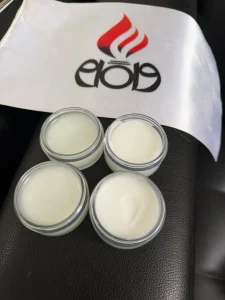
One of the largest applications of Microcrystalline Wax is in cosmetic and personal care products. The wax acts as a thickening agent, stabilizer, and texture enhancer in many formulations.
This wax is commonly used in:
• Lipsticks
• Lip balms
• Creams and lotions
• Hair styling products
• Mascaras
• Ointments and skincare balms
The wax helps cosmetic products maintain their shape and consistency under different temperatures. Its excellent oil-binding properties improve texture and provide smooth application performance. In lipsticks, it improves hardness and durability while maintaining flexibility.
Uses in Candle Manufacturing
It is widely used in premium candle production. Candle manufacturers blend it with paraffin wax to improve candle quality and performance.
Benefits in candle manufacturing include:
• Improved flexibility and reduced cracking
• Better fragrance retention
• Enhanced surface smoothness and gloss
• Improved burning performance
• Increased structural strength
Decorative, scented, and container candles often contain Microcrystalline Wax because it enhances both appearance and durability.
Adhesives and Hot Melt Applications
Microcrystalline Wax is a critical component in hot melt adhesives and industrial sealants. Its tackiness and flexibility improve adhesive strength and bonding performance.
It is commonly used in:
• Packaging adhesives
• Pressure-sensitive adhesives
• Industrial tapes
• Bookbinding adhesives
• Sealants and coating compounds
The wax improves flexibility and prevents cracking in adhesive formulations while also enhancing resistance to moisture and environmental conditions.
Packaging Industry Applications
The packaging industry uses this wax because of its excellent moisture barrier properties and protective capabilities.
Common packaging applications include:
• Food packaging coatings
• Corrugated board coatings
• Waxed papers and laminated papers
• Moisture-resistant packaging materials
• Protective wrapping products
The wax protects packaged goods from humidity, dust, contamination, and environmental damage during storage and transportation.
Rubber and Tire Industry
Microcrystalline Wax plays an important role in rubber manufacturing and tire production. Rubber products are often exposed to ozone and environmental conditions that cause surface cracking and deterioration.
Microcrystalline Wax forms a protective layer on the rubber surface, helping to:
• Prevent ozone cracking
• Improve weather resistance
• Increase product lifespan
• Protect against surface oxidation
This makes it highly valuable in tires, industrial rubber products, and automotive components.
Pharmaceutical Applications
In the pharmaceutical industry, it is used in ointments, medicinal creams, tablet coatings, and controlled-release formulations.
Its stable and non-reactive nature makes it suitable for pharmaceutical applications where consistency and purity are important. The wax also helps improve product texture and stability.
Electrical and Industrial Insulation
Microcrystalline Wax has excellent insulating properties and is used in electrical and industrial applications.
It is commonly used in:
• Electrical insulation compounds
• Cable filling materials
• Protective industrial coatings
• Corrosion prevention products
Its moisture resistance and stability help protect electrical components and industrial equipment from environmental damage.
Textile, Ink, and Polish Applications
Many industries use Microcrystalline Wax to improve surface quality and product durability.
Applications include:
• Textile finishing and waterproofing
• Printing inks
• Shoe and floor polishes
• Furniture and automotive waxes
• Surface coating formulations
The wax provides shine, smoothness, water resistance, and improved surface protection.
Packaging and Supply
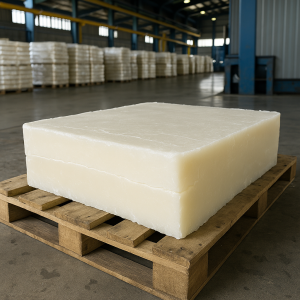
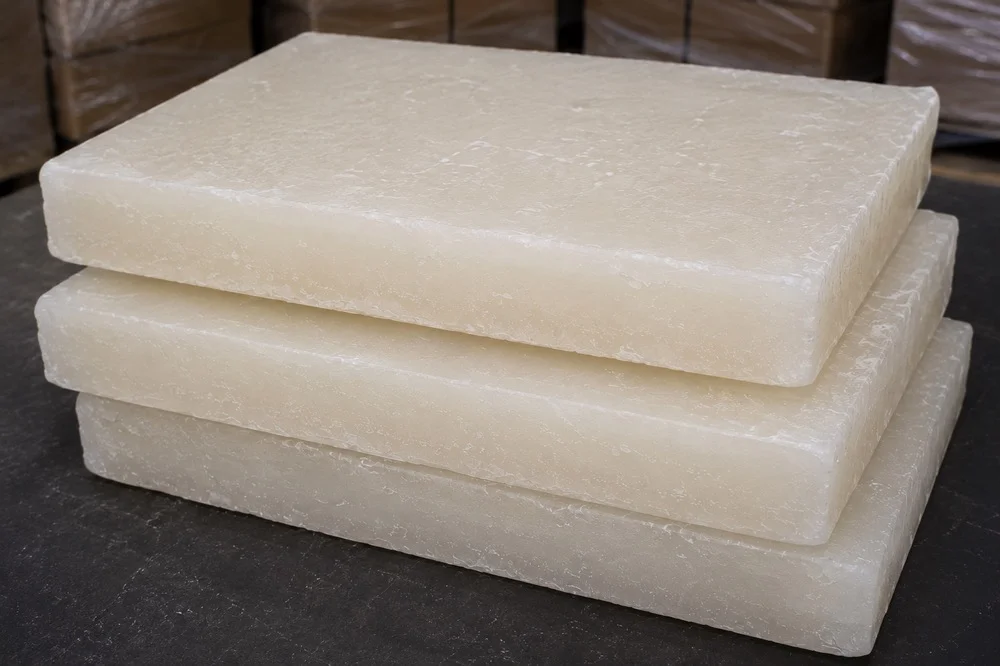
Faragam Paraffin supplies high-quality Microcrystalline Wax suitable for various industrial applications. The product is available in multiple packaging options including slabs, cartons, polypropylene bags, and bulk packaging solutions.
Customized packaging and export-grade solutions are also available according to customer requirements.
Conclusion
Microcrystalline Wax continues to be one of the most versatile and valuable industrial waxes in the global market. Its unique combination of flexibility, adhesive strength, moisture resistance, and thermal stability allows it to perform efficiently in a wide range of industries.
From cosmetics and candle manufacturing to adhesives, packaging, rubber processing, and industrial coatings, Microcrystalline Wax delivers reliable performance and long-lasting product quality. As industrial demand for high-performance materials continues to grow, Microcrystalline Wax remains an essential component in modern manufacturing.
contents on this page