Industrial Vaseline
Industrial Vaseline: A Versatile Solution for Modern Industries
We at Faragam Paraffin specialize in producing high-quality Industrial Vaseline (Petroleum Jelly), a multipurpose semi-solid material widely used across various industries. Known for its purity, stability, and protective qualities, industrial-grade Vaseline plays an essential role in manufacturing, maintenance, and product formulation.
What Is Industrial Vaseline?
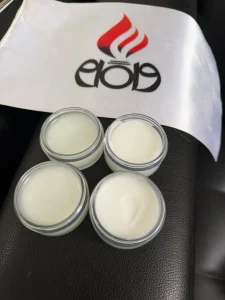
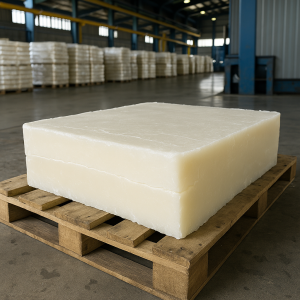
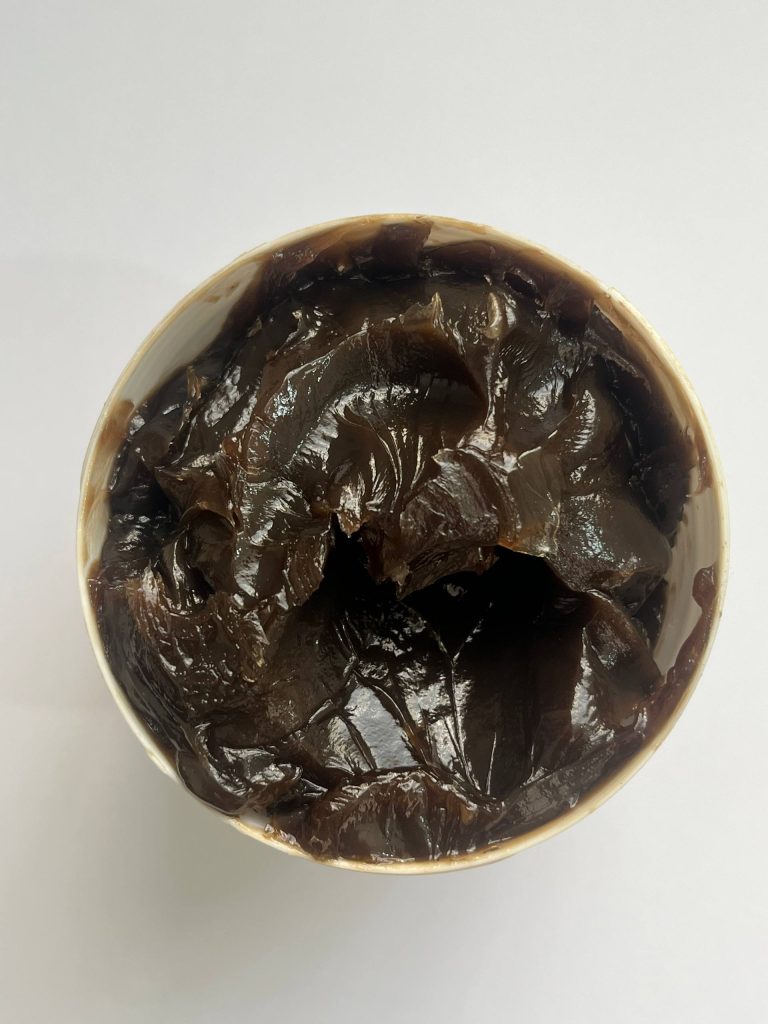
Industrial Vaseline, also called petroleum jelly, is a refined mixture of mineral oils and waxes. It appears as a smooth, translucent substance that forms a protective layer when applied to surfaces. Unlike cosmetic-grade Vaseline, industrial types are specifically engineered for technical applications where high thermal stability, lubrication, and moisture resistance are critical.
This material is odorless, colorless to pale yellow, and resistant to oxidation—making it suitable for use in harsh industrial environments.
Key Properties of Industrial Vaseline
Industrial Vaseline owes its wide application to its unique physical and chemical properties:
Excellent Lubrication: Reduces friction between metal parts and prevents wear.
Moisture Resistance: Forms a waterproof barrier that protects against corrosion.
Thermal Stability: Performs well across a wide temperature range without degrading.
Chemical Inertness: Non-reactive with most materials, ensuring compatibility in complex systems.
Long Shelf Life: Maintains quality over extended storage periods.
These characteristics make it indispensable in sectors that demand durability and consistency.
Common Applications of Industrial Vaseline
1. Electrical and Mechanical Industries
In electrical systems, Industrial Vaseline is used to protect terminals, insulators, and connectors from oxidation and moisture. It prevents rust on metal surfaces and ensures steady current flow. In mechanical engineering, it acts as a lubricant for gears, hinges, and machinery parts, reducing friction and extending equipment life.
2. Rubber and Plastic Manufacturing
Vaseline is widely used as a mold release agent during the production of rubber and plastic components. Its non-stick nature prevents materials from adhering to molds, improving surface quality and production efficiency.
3. Textile and Leather Processing
In textile industries, Industrial Vaseline serves as a softening and lubricating agent, helping threads move smoothly during weaving. In leather processing, it enhances flexibility and gives a lasting shine while preventing cracking and drying.
4. Automotive and Marine Uses
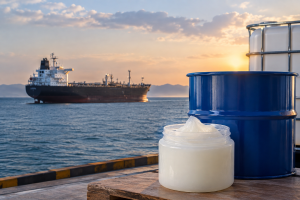
Automotive workshops use Vaseline for battery terminal protection, anti-corrosion coating, and lubrication of moving parts. In marine environments, it safeguards equipment from saltwater corrosion and harsh weather exposure.
5. Pharmaceutical and Cosmetic Manufacturing
Although mainly technical, highly refined Industrial Vaseline can also serve as a base ingredient in ointments, creams, and balms. It offers moisture retention and barrier protection, proving valuable in both medical and cosmetic formulations.
Advantages of Using High-Quality Industrial Vaseline
Choosing a premium-grade Industrial Vaseline ensures:
Enhanced Equipment Durability
Improved Operational Efficiency
Reduced Maintenance Costs
Better Protection Against Corrosion and Contaminants
Stable Performance Under Extreme Conditions
High-purity formulations guarantee consistent results and minimize the risk of chemical reactions that could damage machinery or end products.
Storage and Handling Recommendations
To maintain its quality, Industrial Vaseline should be stored in a cool, dry place away from direct sunlight and dust. Containers must be tightly sealed to prevent contamination. While it is non-toxic and safe to handle, standard hygiene practices—such as using gloves and avoiding direct contact with open wounds—are recommended in industrial settings.
Final Thoughts
Industrial Vaseline is far more than a simple lubricant; it’s a multi-functional industrial essential that contributes to the performance, longevity, and efficiency of countless systems and products. From protecting metal surfaces to improving manufacturing processes, its reliability and versatility make it a cornerstone material for modern industries.
contents on this page