Can Petroleum Jelly Expire?
Petroleum jelly is one of the most stable skincare and industrial products available. Whether used in cosmetics, pharmaceuticals, or industrial applications, many people wonder: Can petroleum jelly expire? The short answer is yes, but its shelf life is much longer than most personal care products.
In this guide, we’ll explain how long petroleum jelly lasts, what affects its shelf life, how to store it properly, and how to tell if it has gone bad.
What Is Petroleum Jelly?
Petroleum jelly, also known as petrolatum, is a semi-solid mixture of highly refined hydrocarbons derived from petroleum. Thanks to its stable chemical structure and low moisture content, it is resistant to bacterial growth and oxidation, making it one of the longest-lasting products in the cosmetic and pharmaceutical industries.
It is widely used in:
- Skin moisturizers
- Lip care products
- Pharmaceutical ointments
- Baby care products
- Cosmetic formulations
- Industrial lubricants
- Rust prevention
Can Petroleum Jelly Expire?
Yes, petroleum jelly can expire, but it does not spoil quickly like food or water-based skincare products.
Unopened petroleum jelly can typically maintain its quality for 5 to 10 years when stored under proper conditions. Once opened, it can remain usable for several years, provided it stays clean and uncontaminated.
Many manufacturers assign an expiration date based on product stability testing, packaging, and regulatory requirements rather than because the product suddenly becomes unsafe after that date.
Why Does Petroleum Jelly Last So Long?
Several factors contribute to the exceptional shelf life of petroleum jelly:
- Highly refined hydrocarbon composition
- No water content to support bacterial growth
- Excellent resistance to oxidation
- Stable chemical properties
- Protective barrier against moisture and contaminants
These characteristics make petroleum jelly one of the most durable ingredients used in skincare and pharmaceutical products.
Typical Shelf Life of Petroleum Jelly
| Condition | Expected Shelf Life |
|---|---|
| Unopened container | 5–10 years |
| Opened container | 3–5 years (or longer if stored properly) |
| Industrial bulk storage | Several years under recommended storage conditions |
Actual shelf life depends on storage temperature, packaging quality, and handling practices.
Signs That Petroleum Jelly Has Expired
Although petroleum jelly rarely goes bad, it may gradually lose quality over time.
Watch for these signs:
1. Color Changes
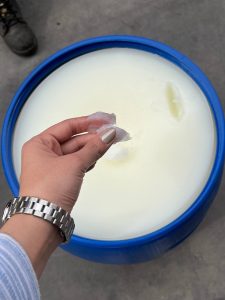
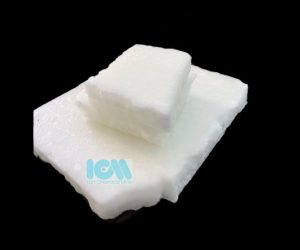
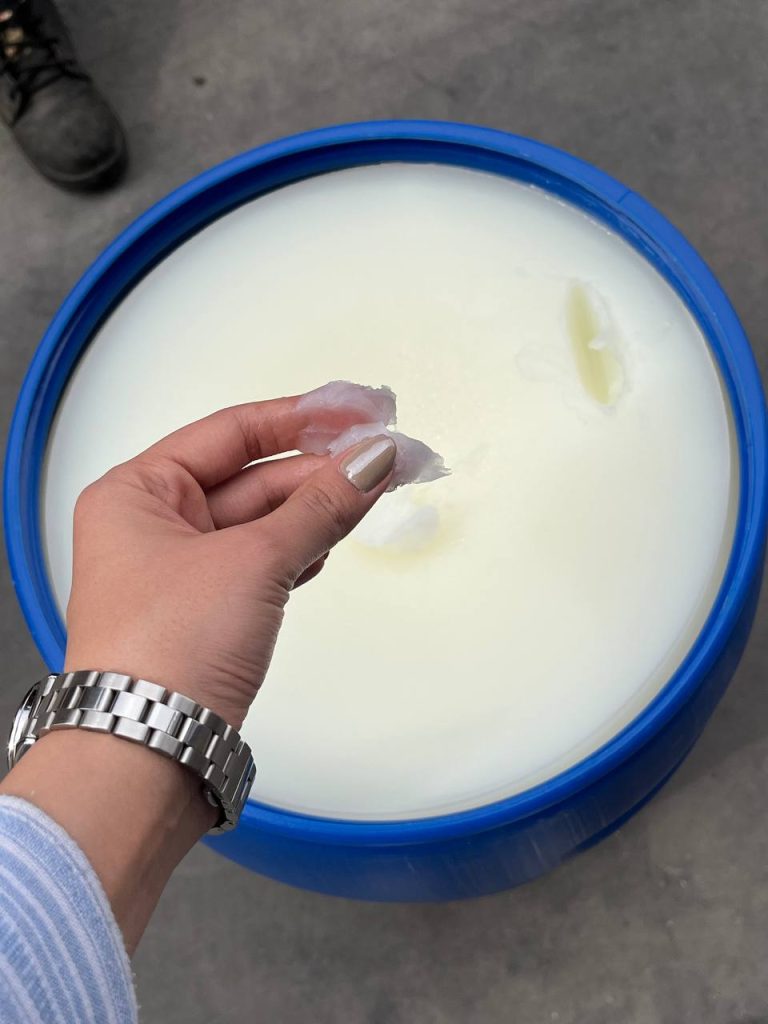
Fresh white petroleum jelly should remain white or nearly transparent. Yellow petroleum jelly should retain its original color.
A noticeable darkening may indicate aging or contamination.
2. Unusual Odor
Petroleum jelly normally has little to no odor.
A strong chemical or unpleasant smell may suggest degradation or contamination.
3. Texture Changes
The product should remain smooth and uniform.
If it becomes grainy, excessively hard, separated, or develops an unusual consistency, it may no longer perform as intended.
4. Visible Contamination
Discard petroleum jelly if you notice:
- Dust or dirt
- Mold (rare)
- Foreign particles
- Water contamination
How to Store Petroleum Jelly Properly
Proper storage significantly extends the shelf life of petroleum jelly.
Keep the Container Tightly Closed
Closing the lid prevents contamination from dust, moisture, and airborne particles.
Store in a Cool, Dry Place
Ideal storage temperatures are generally between 15°C and 30°C.
Avoid prolonged exposure to excessive heat.
Protect from Direct Sunlight
UV exposure and high temperatures may gradually affect the product’s appearance and consistency.
Use Clean Tools
Instead of using fingers repeatedly, use a clean spatula or applicator to reduce contamination.
Does Expired Petroleum Jelly Become Dangerous?
In most cases, expired petroleum jelly is not immediately hazardous, especially if it has been stored correctly and shows no signs of contamination.
However, it may:
- Lose its smooth texture
- Become less effective as a moisture barrier
- No longer meet cosmetic or pharmaceutical quality standards
For medical or cosmetic formulations, manufacturers should always follow the labeled expiration date and applicable quality control procedures.
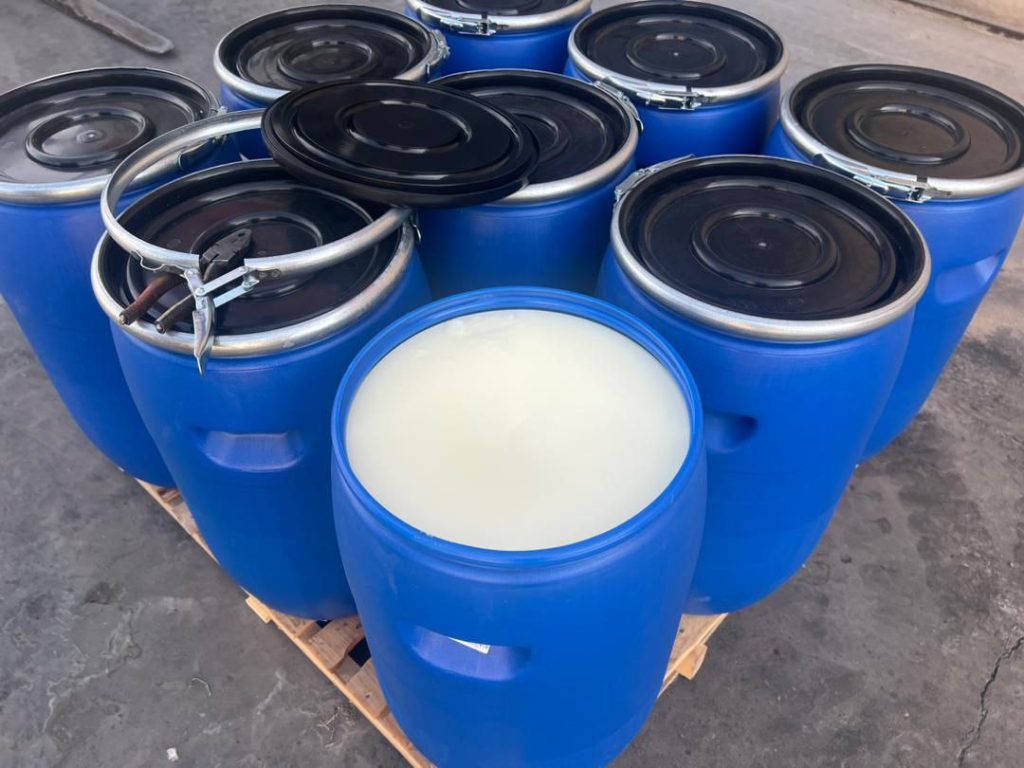
Shelf Life for Industrial and Bulk Petroleum Jelly
For manufacturers, distributors, and exporters, proper storage is essential to preserve product quality during transportation and long-term warehousing.
Recommended practices include:
- Store sealed drums or pails indoors.
- Protect containers from rain and humidity.
- Avoid freezing or prolonged exposure to high temperatures.
- Rotate inventory using the First-In, First-Out (FIFO) method.
- Inspect packaging regularly for damage or contamination.
These measures help ensure petroleum jelly maintains its consistency and performance throughout the supply chain.
Conclusion
Petroleum jelly is valued for its exceptionally long shelf life, making it a dependable choice for cosmetic, pharmaceutical, and industrial applications. While it can eventually expire or lose quality, proper storage can preserve its effectiveness for many years.
For businesses purchasing bulk petroleum jelly, maintaining appropriate storage conditions throughout transportation and warehousing is essential to ensure consistent product quality and customer satisfaction.
contents on this page