How Candle Manufacturers Choose the Best Wax: Paraffin, Soy, Beeswax, Palm & Slack Wax Compared
Choosing the right candle wax is one of the most important decisions in candle manufacturing. The type of wax affects burn time, fragrance throw, appearance, production cost, and overall product quality. While consumers often focus on scent and design, manufacturers know that the wax is the foundation of every successful candle.
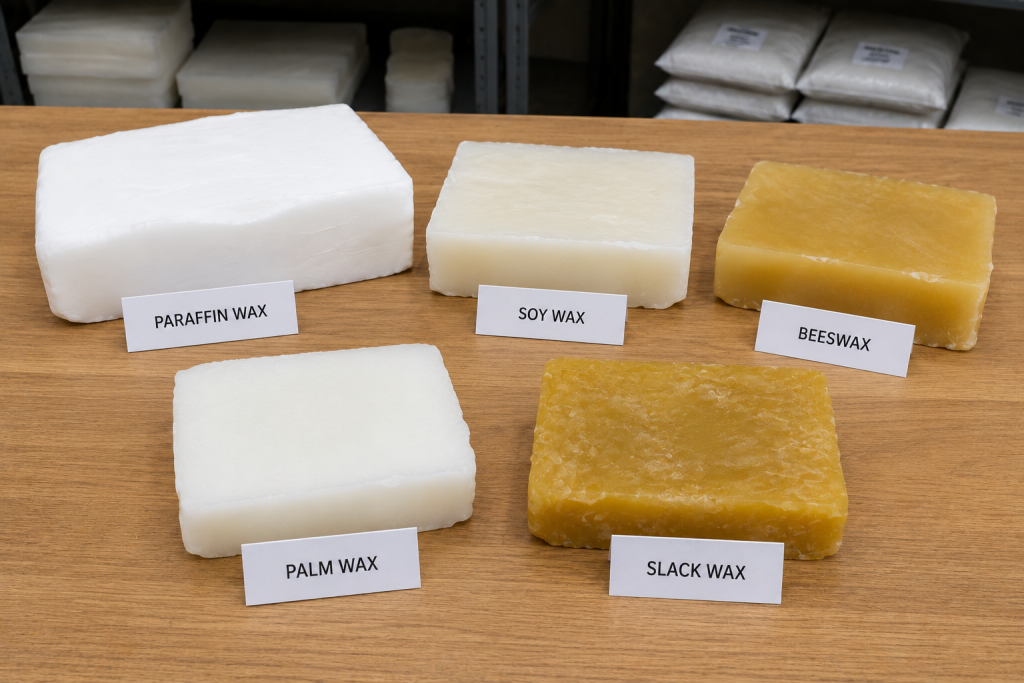
This guide compares the five most common types of candle wax to help manufacturers and buyers understand their differences and select the best option for their production needs.
What Makes a Good Candle Wax?
Before selecting a wax, manufacturers typically evaluate several factors:
- Burn quality and consistency
- Hot and cold scent throw
- Melting point
- Surface finish and appearance
- Ease of processing
- Production cost
- Availability and supply
- Intended candle type
The ideal wax depends on the application, target market, and production scale.
Types of Candle Wax Compared
| Wax Type | Best For | Cost | Scent Throw | Burn Time |
|---|---|---|---|---|
| Paraffin Wax | Commercial & scented candles | Low | ★★★★★ | ★★★★☆ |
| Soy Wax | Eco-friendly container candles | Medium | ★★★☆☆ | ★★★★★ |
| Beeswax | Premium & natural candles | High | ★★☆☆☆ | ★★★★★ |
| Palm Wax | Decorative pillar candles | Medium | ★★★☆☆ | ★★★★☆ |
| Slack Wax | Industrial applications & further refining | Very Low | ★☆☆☆☆ | ★★☆☆☆ |
Paraffin Wax
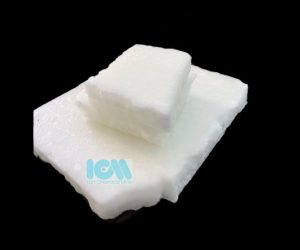
Paraffin wax remains the most widely used candle wax in the world due to its affordability, consistency, and excellent fragrance performance. It is available in different melting points and refinement levels, making it suitable for a wide range of candle products.
Advantages
- Excellent hot and cold scent throw
- Smooth finish
- Easy to color
- Affordable for mass production
- Available in multiple grades
Best Applications
- Scented candles
- Pillar candles
- Container candles
- Tea lights
- Decorative candles
Soy Wax
Soy wax is produced from hydrogenated soybean oil and has become popular among brands targeting environmentally conscious consumers.
Advantages
- Renewable plant-based material
- Longer burn time
- Easy to clean
- Low soot production
Limitations
- Weaker scent throw than paraffin
- Frosting may occur
- Generally more expensive
Best Applications
- Container candles
- Luxury handmade candles
- Eco-friendly product lines
Beeswax
Beeswax is one of the oldest candle-making materials and is valued for its natural origin and long burn time. It emits a subtle honey aroma without added fragrance.
Advantages
- Natural material
- Long-lasting burn
- Attractive golden appearance
- Premium image
Limitations
- High cost
- Limited availability
- Natural scent may affect added fragrances
Best Applications
- Premium candles
- Decorative candles
- Religious candles
Palm Wax
Palm wax is derived from palm oil and is known for creating beautiful crystal-like patterns, making it popular for decorative candles.
Advantages
- Unique crystal finish
- Hard texture
- Good burn performance
Limitations
- Sustainability concerns depending on sourcing
- Less versatile than paraffin
Best Applications
- Pillar candles
- Decorative candles
- Artisan candle collections
Slack Wax
Slack wax is an intermediate petroleum wax containing a higher oil content than refined paraffin wax. It is mainly used as a raw material for further refining or industrial applications rather than finished consumer candles.
Although it can be used in certain low-cost candle products, manufacturers seeking superior appearance and fragrance performance generally prefer fully refined paraffin wax.
Advantages
- Cost-effective
- Suitable for industrial processing
- Widely available
Limitations
- Higher oil content
- Lower refinement
- Less suitable for premium candle production
Best Applications
- Industrial wax processing
- Wax blending
- Further refining into paraffin wax
Which Wax Is Best?
The best candle wax depends on the intended product.
| Candle Type | Recommended Wax |
| Scented Candles | Paraffin Wax |
| Luxury Natural Candles | Beeswax |
| Eco-Friendly Candles | Soy Wax |
| Decorative Pillar Candles | Palm Wax |
| Industrial Wax Processing | Slack Wax |
For large-scale commercial manufacturing, paraffin wax remains the industry standard because it offers an ideal balance of cost, fragrance performance, processing efficiency, and consistent quality.
Frequently Asked Questions
Which wax has the strongest fragrance throw?
Paraffin wax generally provides the strongest hot and cold scent throw, making it the preferred choice for scented candles.
Which candle wax burns the longest?
Beeswax and soy wax typically burn longer than paraffin wax, although burn time also depends on wick size and candle design.
Is slack wax used to make candles?
Slack wax can be used in some low-cost or industrial candle applications, but it is primarily used as a feedstock for producing refined paraffin wax.
Why do commercial candle manufacturers prefer paraffin wax?
Its affordability, consistent quality, smooth finish, and excellent fragrance performance make paraffin wax the preferred option for many commercial producers.
Conclusion
Each candle wax offers unique benefits, but the right choice depends on production goals, budget, and product positioning. Soy wax appeals to eco-conscious consumers, beeswax serves the premium market, palm wax creates decorative finishes, and slack wax supports industrial processing.
However, for manufacturers seeking reliable performance, strong fragrance throw, and cost-effective production, paraffin wax continues to be the preferred choice worldwide. Selecting a high-quality wax from a trusted supplier helps ensure consistent product quality, efficient manufacturing, and customer satisfaction.