Why Industrial Chemicals Matter More Than You Think
Industrial chemicals are the foundation of countless manufacturing processes. They improve product quality, increase efficiency, reduce production costs, and help manufacturers meet strict performance and safety standards.
Without these materials, many products we rely on daily simply couldn’t be produced.
Key Industries That Depend on Industrial Chemicals
- Cosmetics and personal care
- Pharmaceutical manufacturing
- Food processing
- Textile production
- Candle manufacturing
- Automotive industry
- Construction materials
- Water treatment
- Oil and gas
- Cleaning and detergent manufacturing
The Everyday Chemicals Behind Modern Life
1. Paraffin Wax
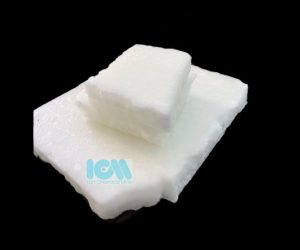
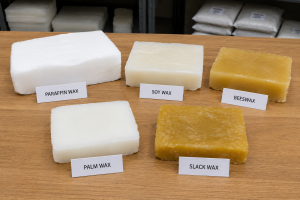
Paraffin wax is a highly refined petroleum-based wax known for its excellent stability, moisture resistance, and versatility.
Common Applications
- Candle manufacturing
- Packaging materials
- Food preservation coatings
- Cosmetics
- Crayons
- Rubber industry
- Textile finishing
- Wood treatment
- Adhesives
- Polishes
Why Manufacturers Prefer Paraffin Wax
- Excellent melting characteristics
- Consistent quality
- Cost-effective
- Easy to process
- Long shelf life
- Suitable for multiple industries
2. Liquid Paraffin
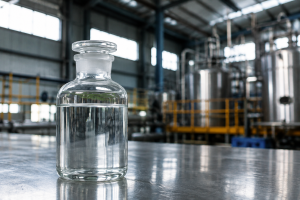
Liquid paraffin is a clear, odorless mineral oil available in industrial, cosmetic, and pharmaceutical grades.
Everyday Products That Contain Liquid Paraffin
- Baby oil
- Skin creams
- Hair care products
- Medical lubricants
- Pharmaceutical formulations
- Food processing machinery lubricants
- Industrial lubricants
- Plastic manufacturing
Benefits of Liquid Paraffin
- Chemically stable
- Non-reactive
- High purity
- Excellent lubrication
- Moisture barrier properties
- Long-lasting performance
3. Petroleum Jelly
Petroleum jelly is one of the most recognized ingredients in skincare and pharmaceutical products.
Major Applications
- Lip balms
- Moisturizers
- Medical ointments
- Baby care
- Industrial rust protection
- Leather conditioning
- Cosmetic products
Why Petroleum Jelly Remains Popular
- Locks in moisture
- Protects skin
- Stable formulation
- Long shelf life
- Safe for various applications
- Economical ingredient
4. Caustic Soda
Caustic soda (sodium hydroxide) is among the world’s most important industrial chemicals.
Industries Using Caustic Soda
- Paper production
- Textile manufacturing
- Soap production
- Detergent manufacturing
- Water treatment
- Aluminum refining
- Chemical manufacturing
- Food processing
Key Advantages
- Strong cleaning capability
- Efficient pH adjustment
- Essential industrial reagent
- High production efficiency
5. Calcium Chloride
Calcium chloride is valued for its moisture-absorbing and de-icing properties.
Common Uses
- Road de-icing
- Dust control
- Concrete acceleration
- Oil and gas drilling
- Food processing
- Refrigeration
- Water treatment
Benefits
- Highly soluble
- Fast acting
- Excellent moisture absorption
- Reliable performance in harsh conditions
6. LABSA (Linear Alkyl Benzene Sulfonic Acid)
LABSA is one of the primary raw materials used in detergent manufacturing.
Products Made with LABSA
- Laundry detergents
- Dishwashing liquids
- Industrial cleaners
- Household cleaners
- Degreasers
Why Manufacturers Use LABSA
- Excellent cleaning performance
- High foaming ability
- Cost-effective
- Easily biodegradable compared to many older surfactants
- Suitable for large-scale production
How These Chemicals Improve Everyday Products
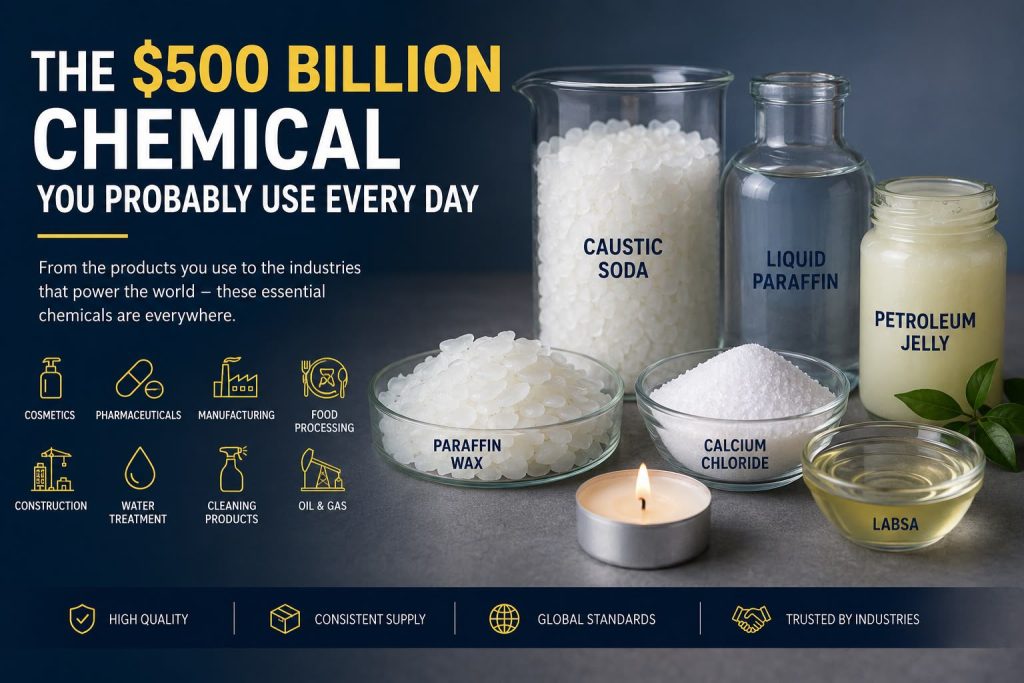
Chemical | Primary Function | Common Consumer Products |
Paraffin Wax | Protection, coating, sealing | Candles, crayons, packaging |
Liquid Paraffin | Lubrication and moisture retention | Lotions, baby oil, medicines |
Petroleum Jelly | Skin protection | Lip balm, ointments, cosmetics |
Caustic Soda | Manufacturing and cleaning | Soap, paper, textiles |
Calcium Chloride | Moisture control and de-icing | Concrete, roads, food processing |
LABSA | Cleaning agent | Laundry detergent, dishwashing liquid |
Why Product Quality Matters
The performance of any finished product depends heavily on the quality of its raw materials. Manufacturers typically evaluate suppliers based on several factors:
- Product purity
- Consistent specifications
- Reliable packaging
- Regulatory compliance
- Stable supply chain
- Competitive pricing
- On-time delivery
- Technical support
Selecting high-quality industrial chemicals helps reduce production issues, improve product consistency, and lower long-term manufacturing costs.
Global Demand Continues to Grow
Demand for industrial chemicals continues to increase as economies expand and manufacturing becomes more sophisticated. Several factors are driving this growth:
- Rising global population
- Expanding pharmaceutical industry
- Growth in personal care products
- Infrastructure development
- Increased detergent consumption
- Growth of food processing
- Industrial automation
- Higher demand for specialty chemicals
Manufacturers that source high-quality raw materials are better positioned to meet changing customer expectations while maintaining efficiency and competitiveness.
Conclusion
The chemicals that power modern life often go unnoticed, yet they are found in countless products we use every day. From paraffin wax in candles and packaging to liquid paraffin in skincare, petroleum jelly in pharmaceuticals, caustic soda in manufacturing, calcium chloride in infrastructure, and LABSA in household detergents, these materials form the backbone of many essential industries.
As global demand continues to grow, businesses that invest in high-quality industrial chemicals and reliable supply partners gain a competitive advantage through better product performance, greater manufacturing efficiency, and stronger customer satisfaction.